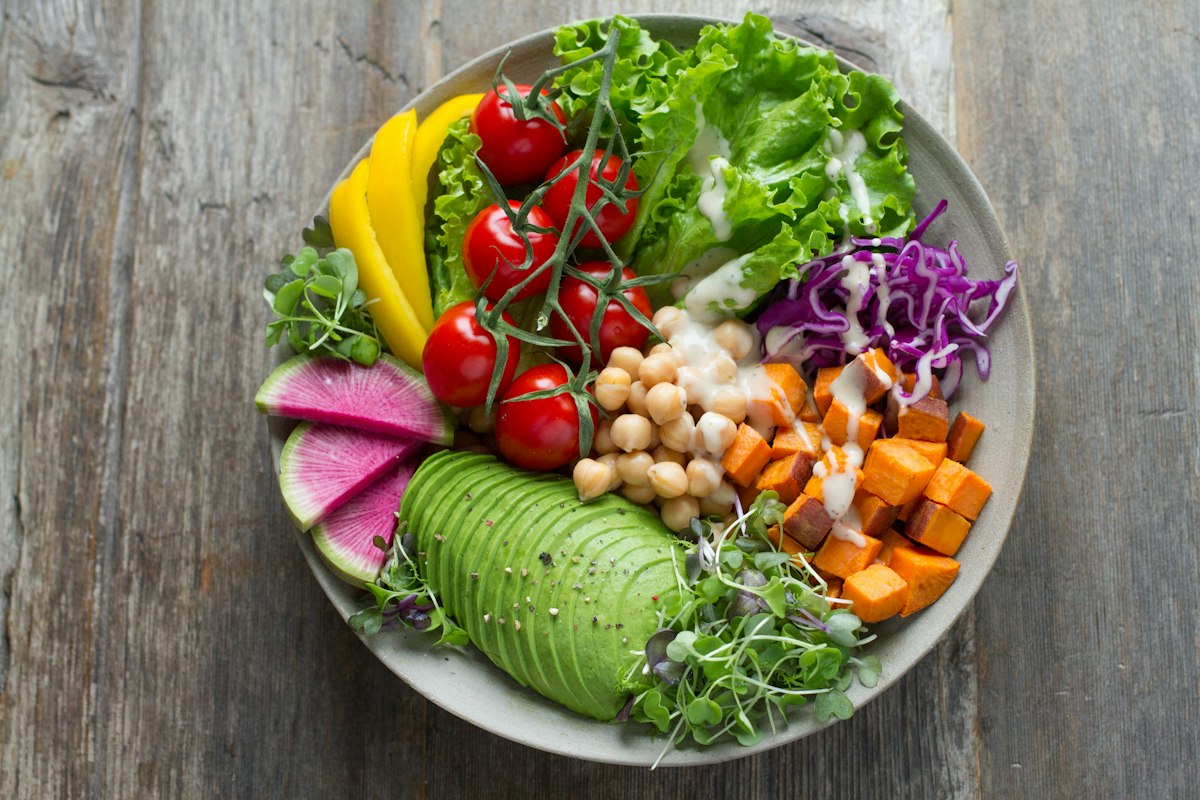
Every January, search interest for "keto diet" spikes. Every February, it drops. This isn't a coincidence — it reflects something real about how people experience this way of eating: the initial enthusiasm is genuine, and so is the frustration that follows. But the reason most people quit keto isn't willpower. It's something far more correctable.
I've been working with patients on low-carbohydrate and ketogenic diets for over a decade. The single most consistent thing I've observed is this: the people who fail are almost always following a plan designed for someone else.
The Personalization Gap Nobody Talks About
When someone hands you a generic "keto meal plan," what they're really giving you is an approximation. It's built around an imaginary average person with average activity levels, average hormone function, and average food tolerances. The odds of that matching your reality are slim.
Consider two people who are the same age, same weight, same height. One works from home, walks 2,000 steps a day, and sleeps poorly. The other has a moderately active job and exercises three times a week. Their carbohydrate threshold for entering ketosis may differ by 30% or more. Their protein requirements are completely different. Even the timing of their meals for optimal fat adaptation is different.
"A meal plan that works beautifully for one patient can be completely wrong for the next — even when every measurable variable looks the same on paper. Individual metabolic variability is genuinely profound."
— Dr. Sarah Novak, RD · NourishJournal AdvisoryGeneric plans don't just miss the mark — they often create the exact conditions that lead to quitting. When your macros are off, you feel exhausted. When your food choices don't match your actual preferences, you feel deprived. When your plan was built for someone 20 pounds lighter, you're perpetually under-fueled.

The Three Reasons Keto Actually Fails
After reviewing the research and tracking hundreds of patients, I've identified three failure modes that account for the vast majority of keto dropouts. They're all solvable. But they require knowing your specific numbers, not a generic template.
-
Wrong protein-to-fat ratio. Most keto guides oversimplify this. Too little protein during fat adaptation means muscle loss. Too much triggers gluconeogenesis — your liver converts excess amino acids into glucose and kicks you out of ketosis. The "right" ratio depends on your lean body mass and daily activity load.
-
Electrolyte miscalculation. The fatigue, headaches, and brain fog that most people call "keto flu" are almost always electrolyte-related — specifically sodium, potassium, and magnesium depletion. The correct dosing varies significantly with body weight, sweat rate, and activity level. Guessing is why most people feel terrible for two weeks and quit.
-
Eating foods you don't actually like. This sounds obvious, but it's the most underestimated factor in long-term adherence. A plan built around avocados fails immediately if you find the texture repulsive. Sustainable eating requires foods you can genuinely enjoy eating, not foods you're tolerating.
What the Science Says About Personalized Nutrition
The research on personalized dietary interventions is increasingly clear. A 2021 review published in nutritional science literature found that individualized dietary plans produced significantly better metabolic outcomes and adherence rates compared to standardized low-carbohydrate guidelines — particularly when the personalization accounted for both physiological and behavioral factors.
Participants in personalized nutrition programs reported 3× higher adherence at 12 weeks compared to generic diet groups. The largest driver wasn't motivation — it was that the food actually fit their lives and preferences.
This aligns with what I see clinically. The patients who succeed long-term on keto are almost never the ones with the most willpower. They're the ones whose plan was built around their specific biology, their schedule, and — critically — the foods they actually want to eat.

The Carbohydrate Threshold Misconception
One of the most damaging pieces of generic keto advice is the "stay under 20g of carbs" rule. This number is real — but it's a conservative floor, not a universal prescription. Depending on your insulin sensitivity, your cortisol levels, and your activity volume, your actual threshold for maintaining nutritional ketosis might be anywhere from 20g to 60g of net carbs per day.
For someone eating at 20g when their body could comfortably sustain ketosis at 45g, the result is unnecessary restriction, food fatigue, and eventual abandonment. For someone eating at 50g who actually needs to stay at 20g, they never enter ketosis at all — and wonder why they're not losing weight despite "doing everything right."

The Practical Solution: Personalization Done Right
The good news is that personalized keto planning is no longer the exclusive territory of expensive clinical dietitians. In 2025, there are structured services where registered nutritionists build individual plans — real people, not algorithms — at a fraction of what a clinical consultation used to cost.
The process is straightforward. You provide your basic biometrics, your activity level, your food preferences, and any dietary restrictions. A nutritionist reviews your profile and builds a complete meal plan with your specific macro targets, a shopping list, and guidance for the first week. The whole thing arrives in your inbox, typically within a few hours.
What makes this different from downloading a template isn't sophistication — it's relevance. The plan is built for you, not for a statistical average. Your protein target reflects your lean mass. Your carb threshold reflects your metabolic flexibility. Your meals reflect foods you actually want to eat on a Tuesday evening when you're tired.